Infrastructure forms the backbone of modern society. It delivers clean drinking water, transports people and goods, supplies energy, protects coastlines and enables the safe treatment of wastewater. Every day, millions of people rely on these systems without noticing the materials that make their long-term performance possible.

Stainless steel plays a vital role in ensuring that essential infrastructure remains safe, reliable and economically sustainable. Its unique combination of corrosion resistance, strength, durability and low maintenance requirements allows infrastructure assets to perform for decades, often with little intervention and significantly reduced life-cycle costs.

As governments, operators and investors face increasing pressure to reduce maintenance costs, improve resilience and extend asset life, stainless steel is becoming a material of choice for infrastructure projects around the world.

Why stainless steel for infrastructure?

Infrastructure projects are expected to operate in some of the world’s most demanding environments, including marine atmospheres, tunnels, industrial zones, transport hubs and wastewater facilities. Material selection therefore becomes a critical design decision. Stainless steel offers:

⏳ Long service life

Designed to remain in service for generations, even in corrosive and aggressive environments.

💰 Lower life cycle costs

Reduced maintenance, fewer repairs and longer replacement intervals help minimise total ownership costs.

💪 Strength and efficiency

High-strength grades enable lighter structures, efficient designs and optimised material use.

♻️ Sustainability

Long life, low maintenance requirements and recyclability support more sustainable infrastructure.

🛡️ Safety and resilience

Reliable performance in fire-prone, coastal and high-traffic environments helps keep critical infrastructure operational.

Infrastructure applications
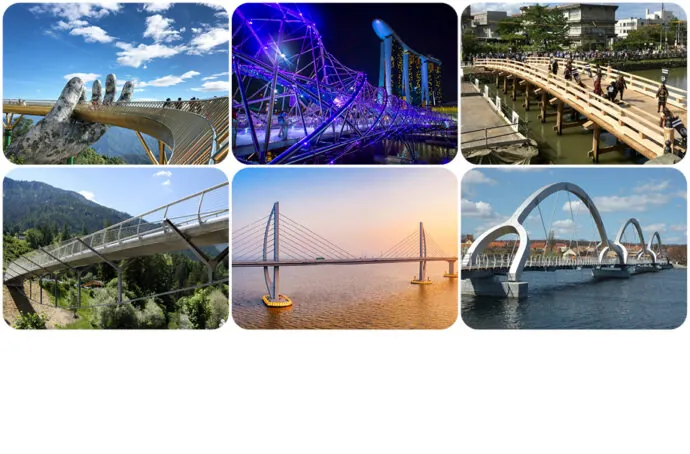
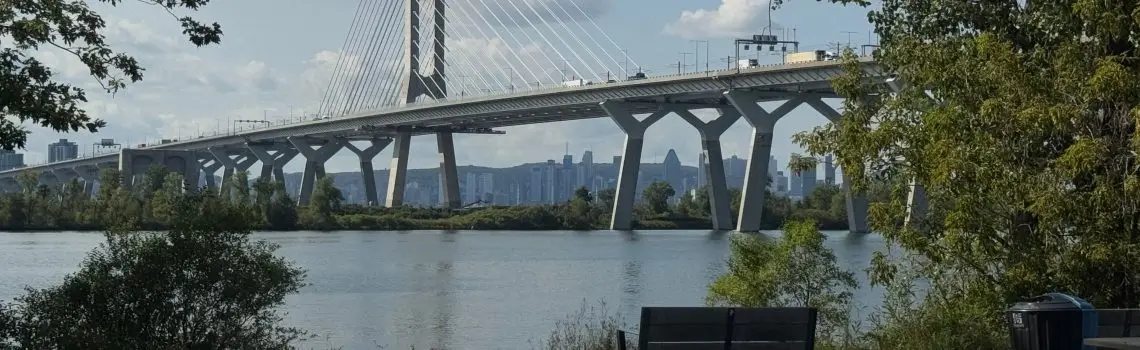
Bridges

Bridges must withstand decades of traffic loading, weather exposure and environmental challenges. Stainless steel enables designers to create structures that maintain structural integrity with minimal maintenance over service lives exceeding one hundred years.

Projects around the world demonstrate the use of stainless steel rebar, structural components, fasteners, tie rods, tubes and plate products in road, rail, pedestrian and mixed-use bridges located in coastal, inland, hot and cold climates. Duplex stainless steels are increasingly selected for critical components where durability is paramount.

Coastal and Marine Structures

More than one-third of the world’s population lives within 100 kilometres of the coast. Coastal infrastructure faces constant attack from chlorides in seawater, making corrosion one of the greatest engineering challenges.

Stainless steel provides a reliable solution for sea walls, flood defences, breakwaters, harbour structures and other coastal protection systems. By incorporating stainless steel in critical areas, designers can significantly improve durability and reduce future repair costs, helping communities adapt to rising sea levels and increasingly severe weather events

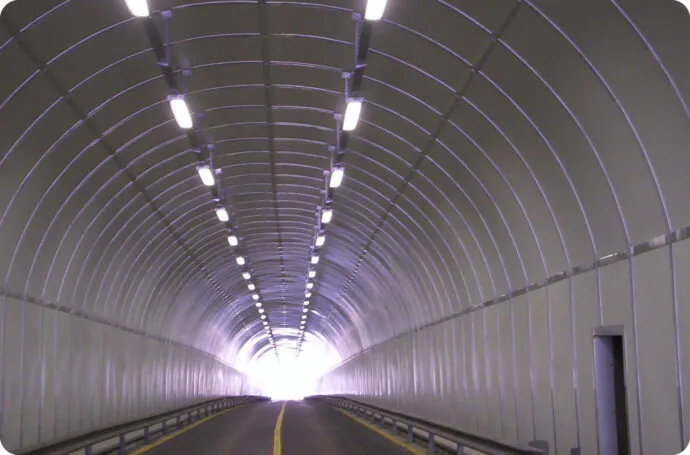
Tunnels

Road, rail, metro and subsea tunnels operate in harsh environments where moisture, pollutants, de-icing salts and fire safety considerations influence material selection.

Stainless steel is increasingly used in tunnel infrastructure because it combines corrosion resistance, fire performance and long maintenance-free operation. Applications include structural components, tunnel cladding systems, suspended structures and road deck replacement projects.

Energy Infrastructure

Reliable energy networks depend on durable materials capable of performing in challenging environments.

Stainless steel is used in a wide range of energy-related infrastructure applications, including offshore facilities, cable tunnels and railway electrification projects. Its resistance to corrosion and ability to perform in demanding conditions help ensure continuous operation while reducing maintenance requirements.

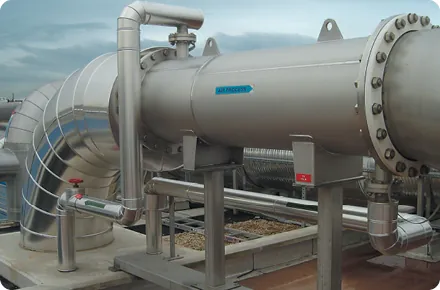
Water and Wastewater Systems

Fresh water is one of the world’s most valuable resources. The infrastructure used to collect, treat, distribute and recycle water must perform reliably for decades while maintaining hygiene and minimising operational costs.

Stainless steel is widely used throughout water infrastructure because it combines durability, corrosion resistance and ease of maintenance. Applications range from water treatment facilities and pipeline systems to stormwater management equipment.

Underground Transport Systems

Underground rail and metro systems place demanding requirements on materials, particularly in high-traffic public environments.

Stainless steel contributes to safety, durability and aesthetics throughout stations and transport networks. Applications include station entrances, wall cladding, suspended walkways, handrails and structural elements designed to withstand intensive use while minimising maintenance.

Car Parks

Car parks face particularly aggressive exposure conditions due to moisture, traffic pollution and de-icing salts.

Stainless steel can be used both structurally and architecturally, including as reinforcement in concrete structures and as façade or enclosure systems. Its corrosion resistance helps extend service life and reduce the need for costly refurbishment.

Airports, Harbours and Transport Terminals

Major transport hubs demand materials capable of delivering long-term performance under heavy use and often corrosive environmental conditions.

Stainless steel is used in airport buildings, ferry terminals, harbour structures, transport interchanges and coastal transport infrastructure. Applications range from façade systems and cladding to structural repair and marine engineering projects.

Real-world performance. Global experience.

From bridges in coastal environments to underground transport systems, energy installations and wastewater treatment facilities, stainless steel infrastructure projects can be found across every continent. These projects demonstrate how selecting the right material at the design stage can deliver decades of reliable service, minimise operational disruption and reduce whole-life costs.

The growing body of international case studies continues to show that stainless steel is not simply a premium material choice. It is often the most economical solution when durability, resilience and long-term performance are properly considered.

Resources