Is Stainless Steel Safe for Cooking? Benefits, Safety Facts & Kitchen Advantages
Stainless Steel in the Kitchen: Safety, Performance & Everyday Advantages
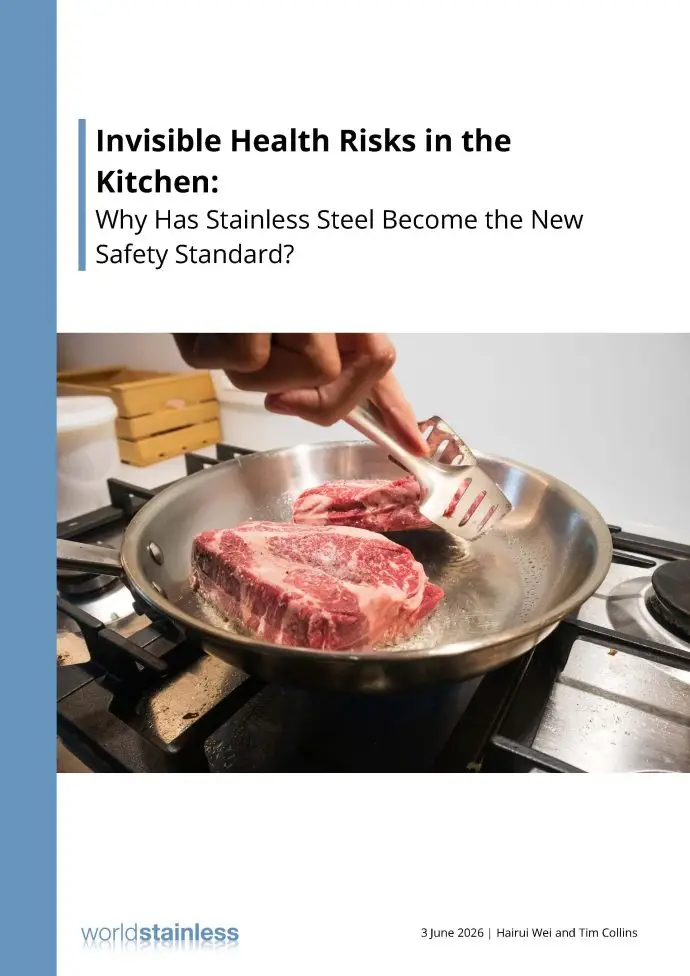
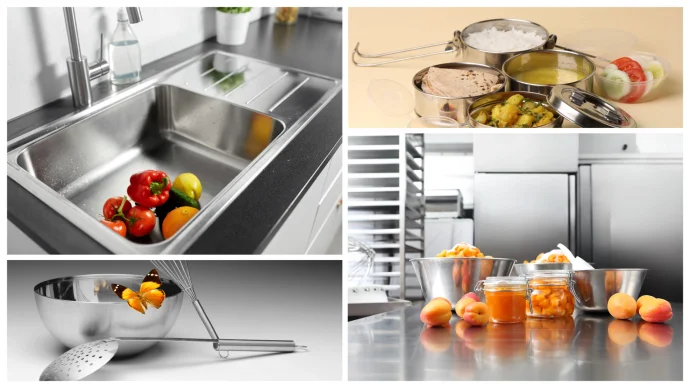
Stainless steel has earned its place as one of the most trusted materials in both home and professional kitchens. Known for its exceptional hygiene, durability, and sleek appearance, it offers a combination of safety and performance that few other materials can match. This page explains why stainless steel is a smart, reliable choice for cookware, appliances, and food‑contact surfaces.
Why Stainless Steel Is Safe for Food Use
A Non‑Reactive, Food‑Safe Material

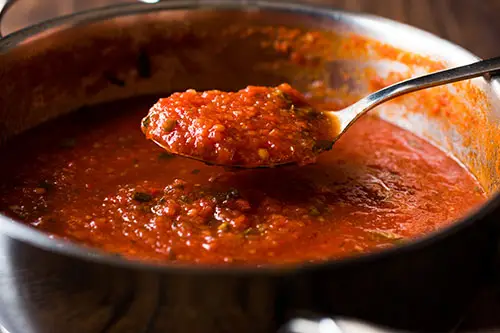
Stainless steel forms a natural passive chromium oxide layer that prevents unwanted reactions with food. This means it won’t alter flavors, release harmful substances, or interact with ingredients—even when cooking acidic dishes like tomato sauce or citrus-based recipes.
Meets Strict Food‑Contact Standards
Food‑grade stainless steels (such as 304 and 316) comply with major international regulations governing materials that come into contact with food. These standards ensure extremely low levels of metal migration and guarantee suitability for everyday cooking and food preparation.
Minimal Leaching, Even Under Heat
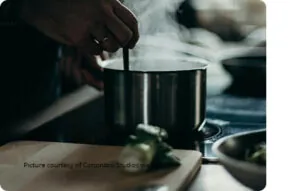
Under normal cooking conditions, stainless steel releases only trace amounts of metals—far below established safety thresholds. Even when exposed to high heat or acidic foods, stainless steel remains one of the most stable and predictable materials available.
Hygienic by Design

Because stainless steel is non‑porous, it does not absorb liquids, odors, or bacteria. This makes it exceptionally easy to clean and sanitize, which is why it’s the material of choice in hospitals, laboratories, and commercial kitchens worldwide.
Considerations for Nickel Sensitivity
Some stainless steel grades contain nickel. For individuals with nickel sensitivities, low‑nickel options such as 430 stainless steel offer a safe and practical alternative without compromising durability.
The Advantages of Stainless Steel in the Kitchen
Unmatched Durability
Stainless steel is built to last. It resists:
- Corrosion
- Rust
- Staining
- High heat
- Impact and abrasion
With proper care, stainless steel cookware and surfaces can last for decades, making them a sustainable long‑term investment.
Superior Cooking Performance
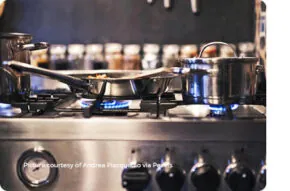 High‑quality stainless steel cookware often features multi‑layer (clad) construction, combining stainless steel with aluminum or copper cores. This design delivers:
- Even heat distribution
- Excellent temperature control
- Compatibility with all cooktops, including induction
- Safe use in ovens and under broilers
A Modern, Timeless Aesthetic
Stainless steel brings a clean, professional look to any kitchen. Its neutral tone complements all design styles, from minimalist to traditional, and its finishes—brushed, polished, or matte—offer versatility for appliances, sinks, and cookware.
Environmentally Responsible

Stainless steel is 100% recyclable and often contains a high percentage of recycled material. Its long lifespan reduces waste, making it a responsible choice for environmentally conscious households.
Choosing the Right Stainless Steel for Your Kitchen
Different grades offer different advantages:
- 304 (18/8 or 18/10)
The most common food‑grade stainless steel. Excellent corrosion resistance and ideal for cookware, utensils, and appliances. - 316
Enhanced with molybdenum for superior resistance to salt and acids. Often used in high‑end cookware and demanding environments. - 430
A low‑nickel, magnetic grade suitable for appliances, some cookware, and users with nickel sensitivities.
Caring for Stainless Steel
Stainless steel is low‑maintenance, but a few simple habits keep it looking its best:
- Wash with warm water and mild detergent.
- Use soft cloths or non‑abrasive sponges.
- Avoid steel wool or harsh scouring pads.
- Remove heat discoloration with a stainless steel cleaner or a vinegar solution.
- Dry after washing to prevent water spots.
Common Myths—Cleared Up
“Stainless steel rusts easily.”
Stainless steel is highly resistant to rust. Surface rust can occur only when the protective layer is damaged or contaminated, and it is usually easy to remove.
“Nickel in stainless steel makes it unsafe.”
Nickel release from food‑grade stainless steel is extremely low and well within global safety limits. For those with sensitivities, low‑nickel grades are readily available.
A Safe, Reliable Choice for Every Kitchen
From its exceptional hygiene and safety to its durability and timeless design, stainless steel remains one of the most dependable materials for cookware, appliances, and food‑contact surfaces. Whether you’re outfitting a home kitchen or a professional workspace, stainless steel offers performance and peace of mind that stand the test of time.
Enquiries