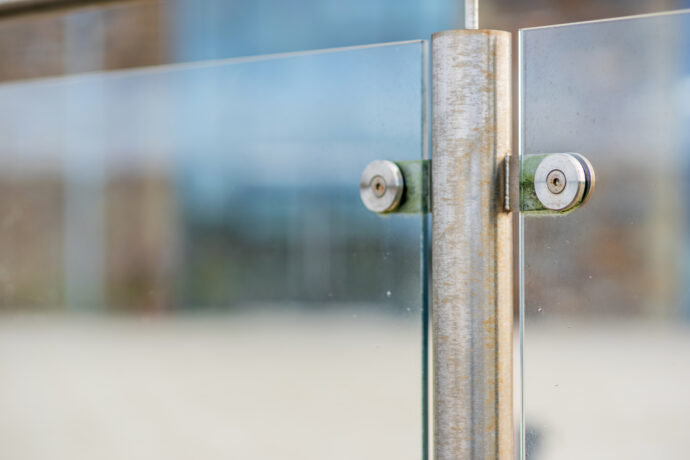
Understanding Corrosion - Chapter 4: Tea staining
When selected and used correctly, stainless steels deliver a long service life, combining visual appeal, hygiene, low maintenance and structural integrity across a wide range of applications and environments. However, inappropriate grade selection, poor fabrication or jointing, unsuitable surface finish, and insufficient cleaning can lead to staining or discolouration over time. This is commonly known as tea staining.
Tea staining primarily affects appearance and can undermine confidence in stainless steel as a family of corrosion-resistant materials. It has been reported in domestic environments, coastal applications, industrial settings and urban locations.
In this session, Tim Collins (Secretary-General, worldstainless) explains how and why tea staining occurs, and outlines practical steps that material specifiers, fabricators and end users can take to prevent it and maintain the desired appearance of stainless steel in service.
Key takeaways
- What tea staining is and why it occurs
- Typical environments where tea staining is most commonly seen (coastal, industrial, urban and domestic)
- How grade selection, fabrication/jointing, surface finish and cleaning influence staining risk
- Practical prevention measures for specifiers, fabricators and end users
- How to maintain long-term appearance with appropriate cleaning and upkeep
Who should attend
Material specifiers, architects and designers, fabricators, stainless steel producers and distributors, asset owners and facility managers, and anyone responsible for selecting, finishing, installing or maintaining stainless steel in service.
This webinar is in cooperation with steeluniversity.